
Verify the source
Verify the publisher and source independently; avoid misleading ads and lookalike pages.
Safe Download and Installation →Explore a thoughtful digital wallet experience built around self-custody concepts. Understand local keys, offline backups, multi-chain asset views, and the checks worth making before every transaction.
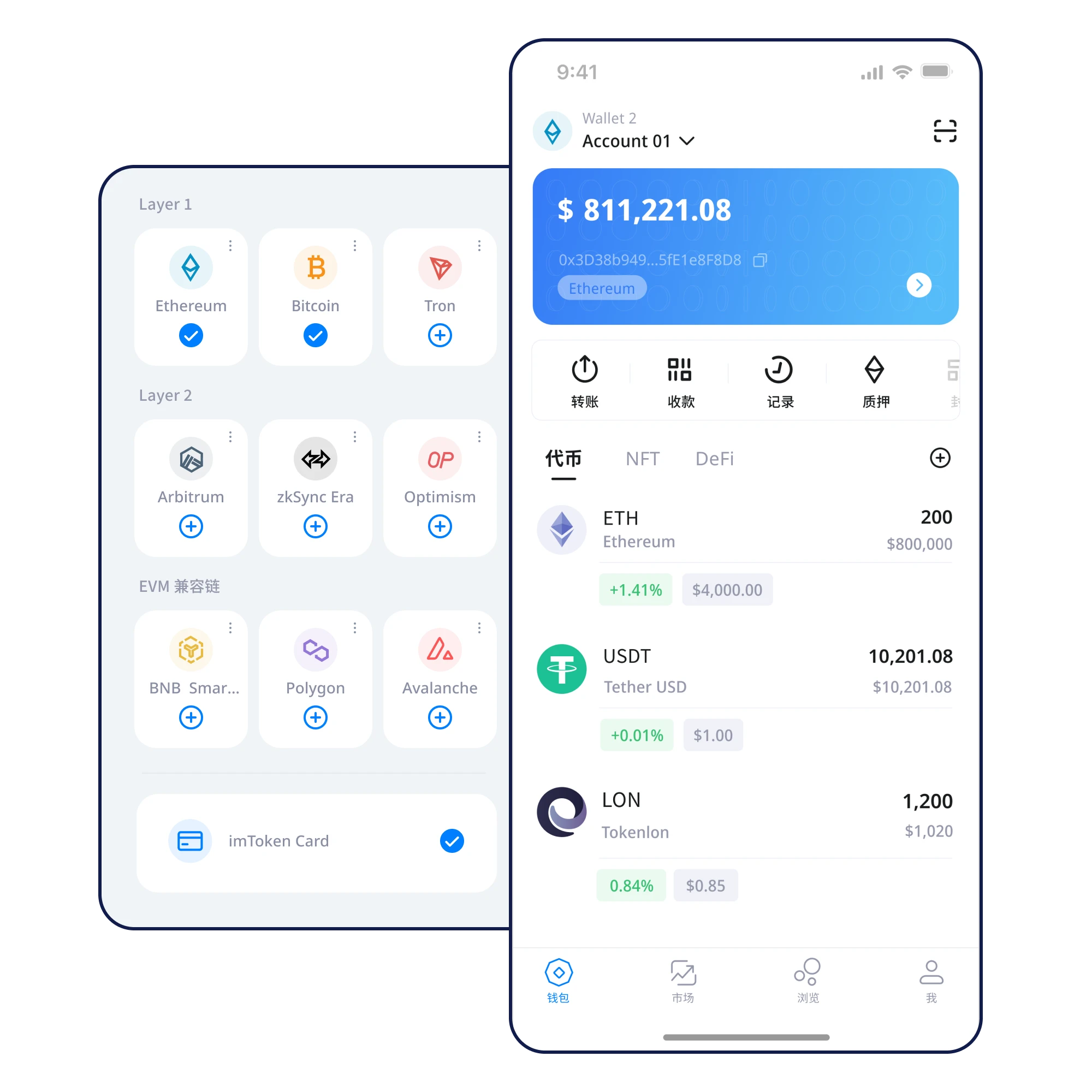
Total assets
Illustrative balance, not a real account
These token values demonstrate a possible product layout, not live holdings. For real transactions, always verify which chain the token uses and whether the receiver supports it.
 View and Organize Multi-chain Assets →
Verify the publisher and source independently; avoid misleading ads and lookalike pages.
Safe Download and Installation →Check permissions after installation and set up or import the wallet privately.
Create a Digital Wallet →Write recovery words in order and keep them out of screenshots, chats, and cloud sync.
Protecting Private Keys and Recovery Phrases →Verify legibility and word order, then store the backup in a suitable offline location.
Your First Recovery Phrase Backup →Confirm the intended chain and token details when organizing asset views.
View and Organize Multi-chain Assets →Check the recipient, network, amount, and permissions before signing.
Network and Address Checks Before Sending →Control comes with responsibility. Explore the principles of locally held credentials and the device safeguards that help protect them.
How Local Key Management Works →
A reliable offline recovery phrase can be essential after device loss or replacement. Verify the backup before you need it.
Restore a Wallet from Backup →
Pause at unexpected approvals, unfamiliar networks, and unusual prompts. Review each detail instead of relying on a single warning.
Transaction Review and Risk Signals →
Know who controls the keys and what losing them could mean.
Review the network, recipient, amount, and permissions.
Plan for recovery before a device problem occurs.
Browse by task, from your first wallet setup to recovering access on a new device.
Understand the essential checks for this situation.
Create a Digital Wallet →Understand the essential checks for this situation.
View and Organize Multi-chain Assets →Understand the essential checks for this situation.
Network and Address Checks Before Sending →Understand the essential checks for this situation.
Move Your Wallet to a New Device →Understand the essential checks for this situation.
Recognize Phishing and Impersonation →A warning can help direct your attention, but it is not a guarantee. Stop and verify if anything looks wrong.
Recognize Phishing and Impersonation →Verify source and publisher
Never enter words on unknown sites
Check chain and contract
Inspect signing permissions
Self-custody means you retain control of wallet credentials. Confirm the capabilities of any specific release independently; legitimate support should never ask for your recovery phrase.
Checking live balances and broadcasting transactions usually requires internet access. Recovery phrases should be recorded and stored offline.
Write it down in the correct order, keep it offline, and avoid screenshots, cloud notes, email, or messaging apps.
A private key controls a particular account, while a recovery phrase can often recreate a set of keys. Protect both as sensitive credentials.
Verify the source, protect your recovery phrase, and review each transaction before signing.
⬇ Download NowDesktop download status: under maintenance.